Coastal Retaining Walls in Wollongong
Get a Free EstimateWollongong Coastal Retaining
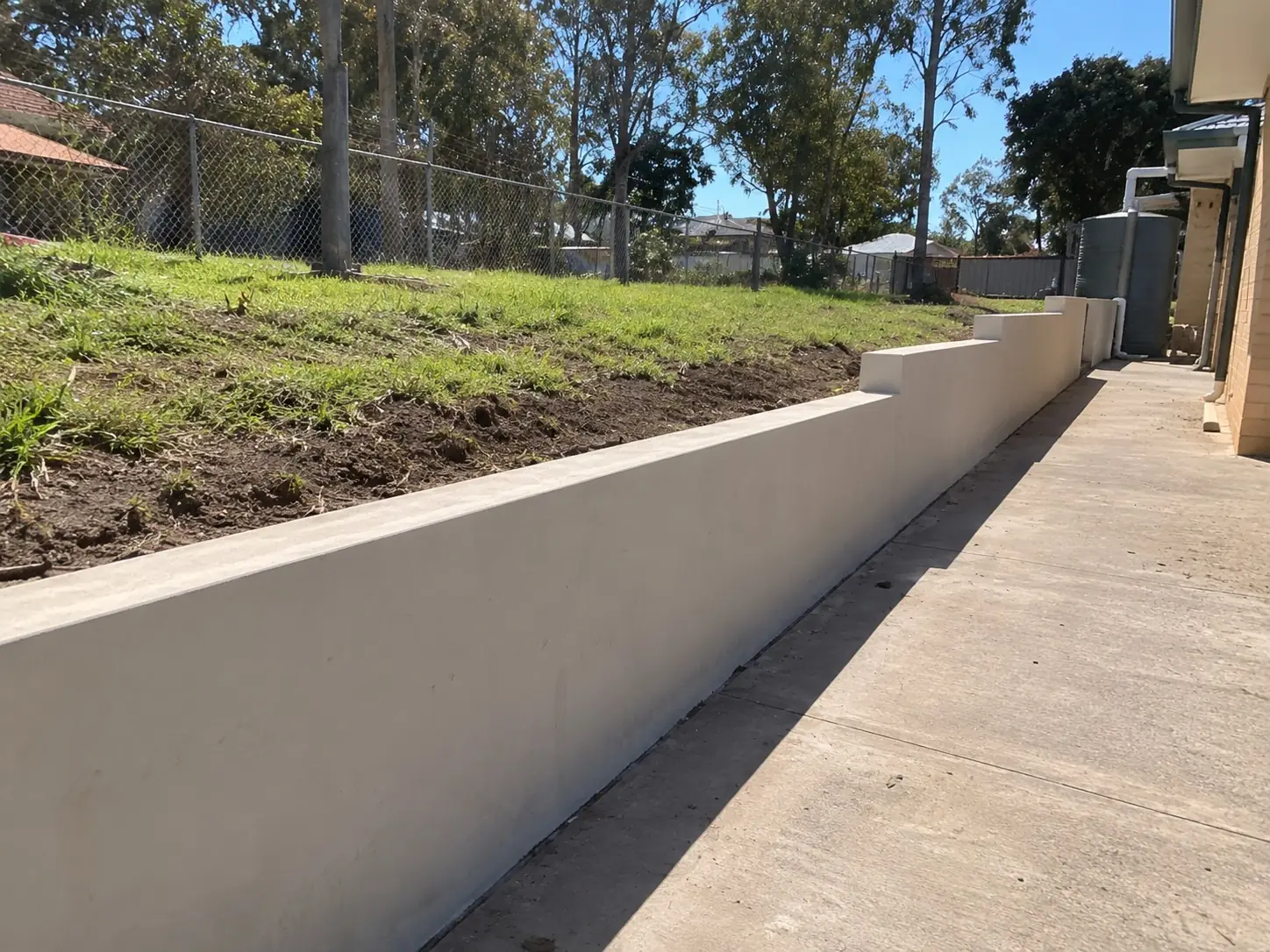
A retaining wall a stone's throw from the ocean has a tougher life than one in a suburban backyard. Salt in the air works its way into the concrete, sandy soil shifts and drains differently, and a heavy coastal downpour can load the ground behind a wall in no time. We build coastal retaining walls in Wollongong for beachfront, cliff-top and dune-side properties, designed and detailed for these conditions.
From Thirroul and Austinmer to Shellharbour and Kiama, we see plenty of tired timber and block walls giving way to the coastal environment. We replace them with reinforced concrete walls built to the engineer's design, with drainage installed properly and a finish that suits your home. Mention any engineering or geotechnical reports in the form, and have them ready for the site visit.
Coastal Retaining Walls We Build Around Wollongong
Beachfront Garden and Terrace Walls
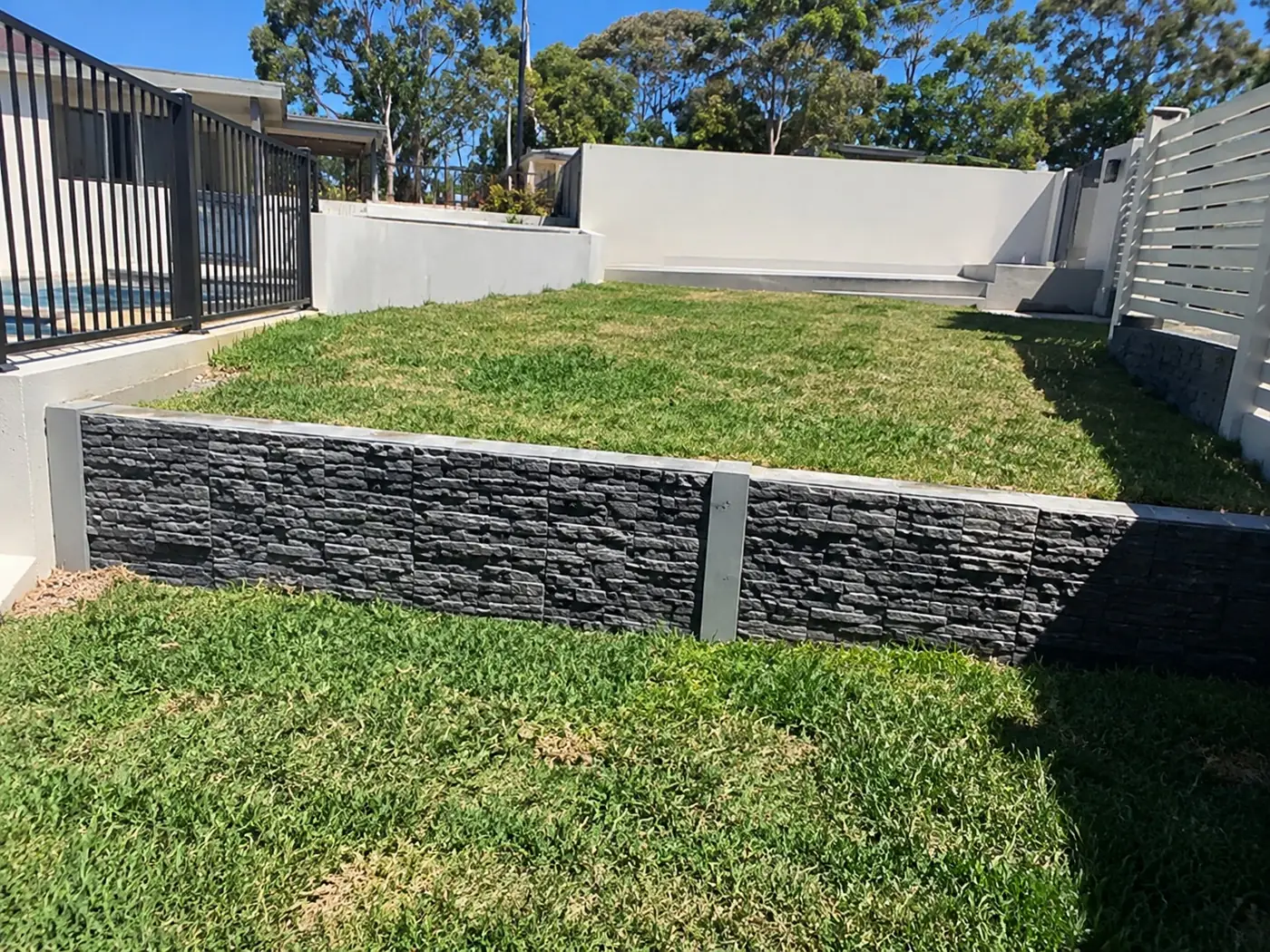
Homes behind the dunes often need level lawns, terraces or pool areas cut into sloping sand. We build reinforced concrete walls that hold these spaces in place, designed for loose, free-draining soil and finished to handle constant salt spray.
Cliff-Top and Headland Walls
Blocks perched above the ocean around the northern villages can face both erosion and slope stability concerns. We work to geotechnical and structural designs, building walls that retain the ground without loading up a cliff edge that's already under pressure.
Walls Exposed to Wave Overtopping
Some walls sit just behind a seawall or dune and still get the occasional wave over the top in a big storm. We pour durable concrete with the specified cover, and add splash aprons and drainage so overtopping water drains away instead of scouring behind the wall.
Drainage Behind Coastal Walls
Heavy coastal downpours can saturate the ground behind a wall in hours. Ag pipe, drainage gravel, filter fabric and weep holes go in as the wall is built, so groundwater has a clear path out and the wall isn't fighting water pressure as well as soil.
Replacing Failed Timber and Block Walls
Treated pine sleepers and unreinforced block walls tend to struggle in salty, sandy conditions. We remove the old wall, stabilise the ground and replace it with a reinforced concrete wall designed for the site.
Retaining for Coastal Access and Steps
Paths and stairs leading down toward the beach usually need retaining on one or both sides. We build the walls, landings and step footings together, so access is safe and the bank either side stays in place.
Three Ways to Start Your Coastal Retaining Wall in Wollongong
Whether a wall is already leaning or you're planning a new terrace by the beach, starting the conversation early helps everything run smoothly.
- Designs in hand: Let us know about your engineering drawings in the form and we'll price the footing, wall, drainage and finish as specified.
- Old wall failing: Describe what's happening, whether it's leaning, cracking or washing out, and we'll come and take a look.
- Planning something new: We'll check the site, access and soil, and tell you whether a geotech report or engineer should be your next step.
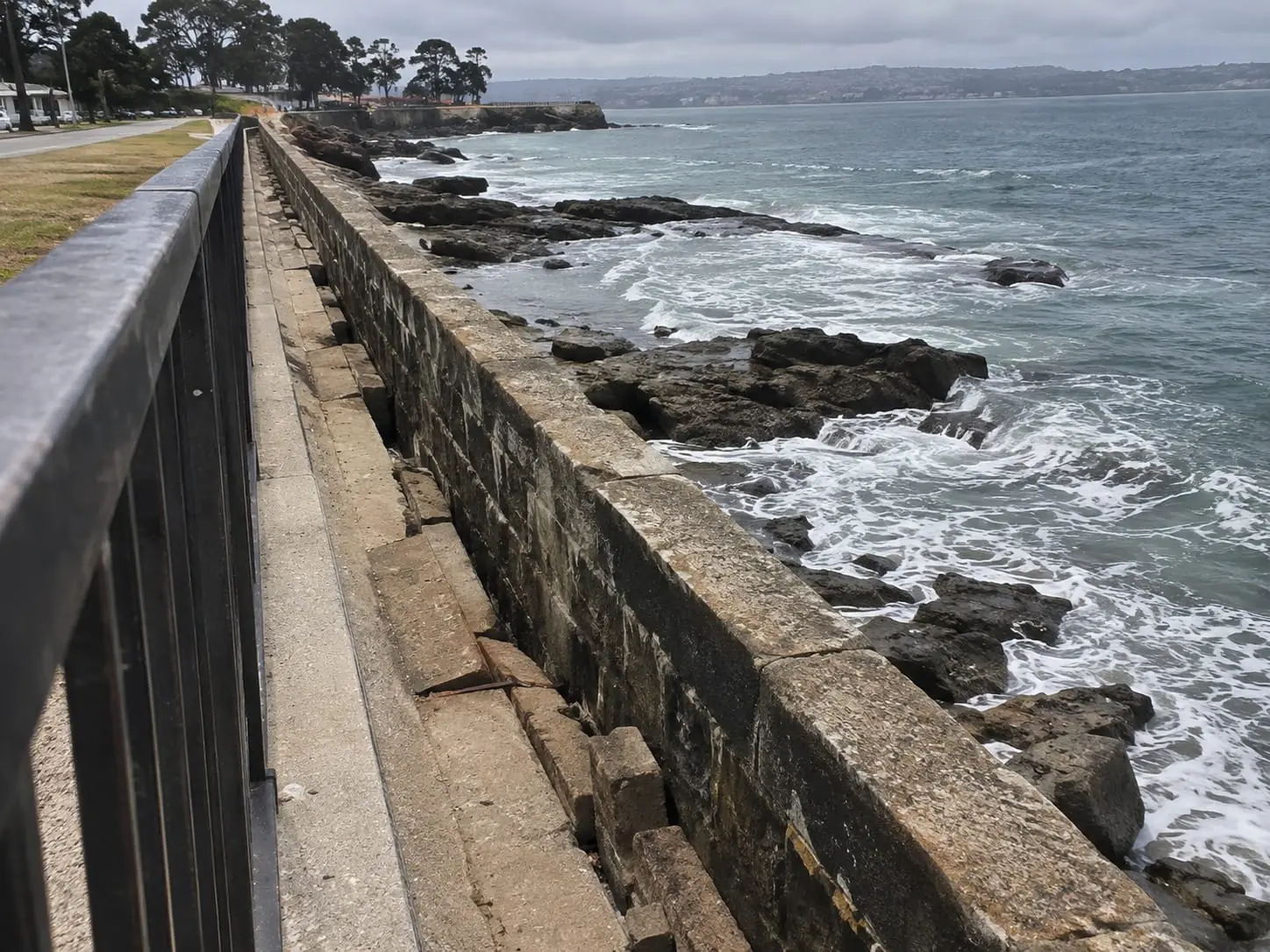
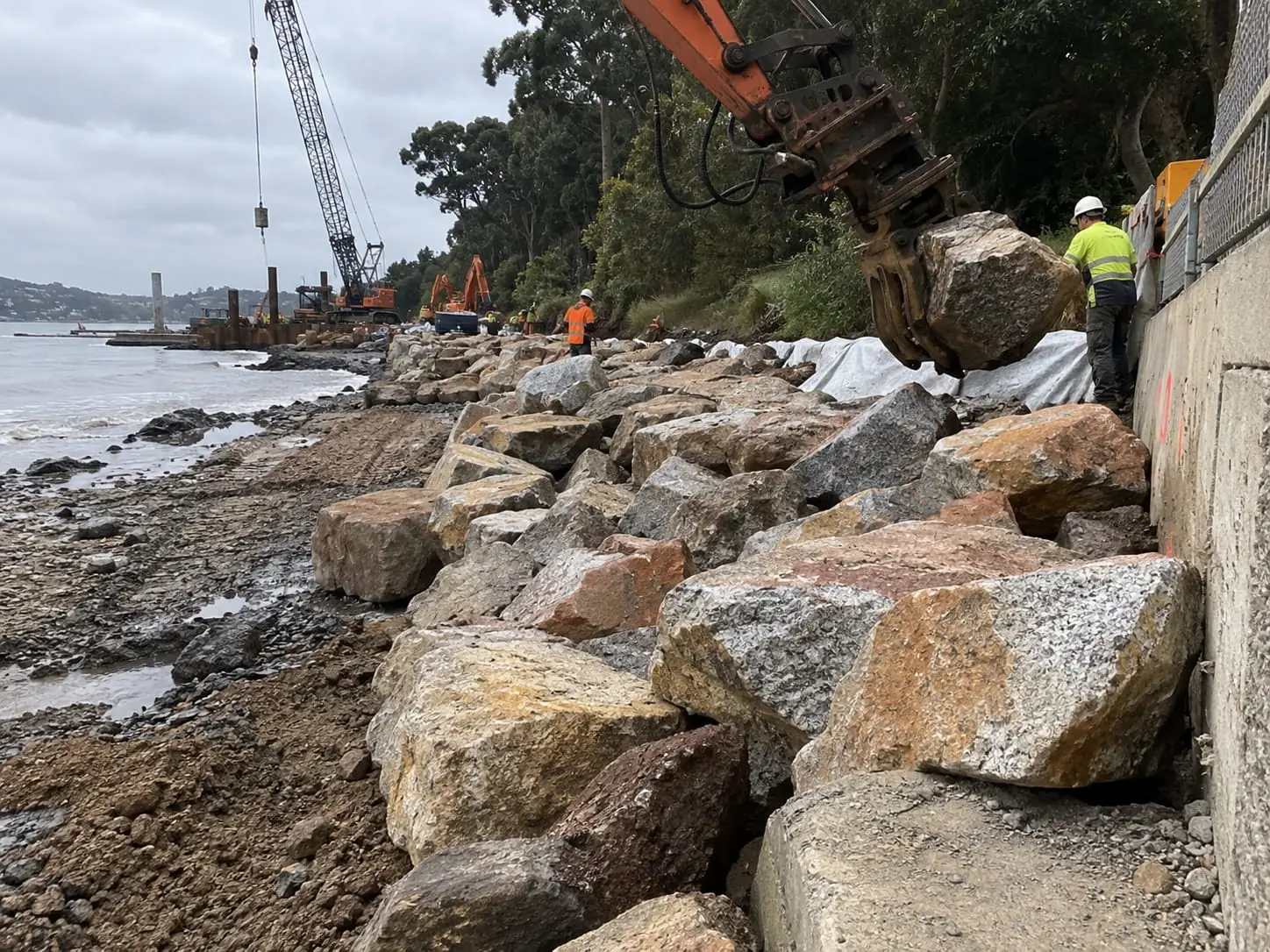
These walls are a coastal take on our standard retaining walls, usually built from reinforced concrete to suit salt exposure. If your wall will face direct wave attack, our seawall construction or concrete rock revetment work may be a better fit.
Why Coastal Homeowners Choose Our Retaining Wall Crew
Built for Salt Air
Concrete a few hundred metres from the surf corrodes faster than the same wall inland. We follow the engineer's exposure classification and cover requirements closely, because cutting corners here shows up as rust stains a few years later.
We Understand Sandy Ground
Loose coastal sand behaves very differently from clay. Footings, excavation batters and compaction are planned around it, and we'll flag early if the design needs extra depth or temporary support.
Drainage Done Properly
Most retaining walls that fail do so because of water, not soil. Every coastal wall we build includes the drainage shown on the drawings, installed and checked before backfilling.
Engineering and Geotech Input
Coastal and cliff-top walls usually need an engineer, and many sites benefit from a geotechnical report. We can work with your consultants or recommend that you engage one before pricing.
Approvals Raised Up Front
Coastal hazard mapping, setbacks and consent conditions can all affect what's allowed. We'll mention what we expect to come up and suggest you confirm the details with council before work begins.
Neat, Low-Maintenance Finishes
A coastal wall should look good for years without constant upkeep. Off-form, broom or rendered finishes can be chosen to suit the house, and we can advise on sealers that help with salt and moisture.
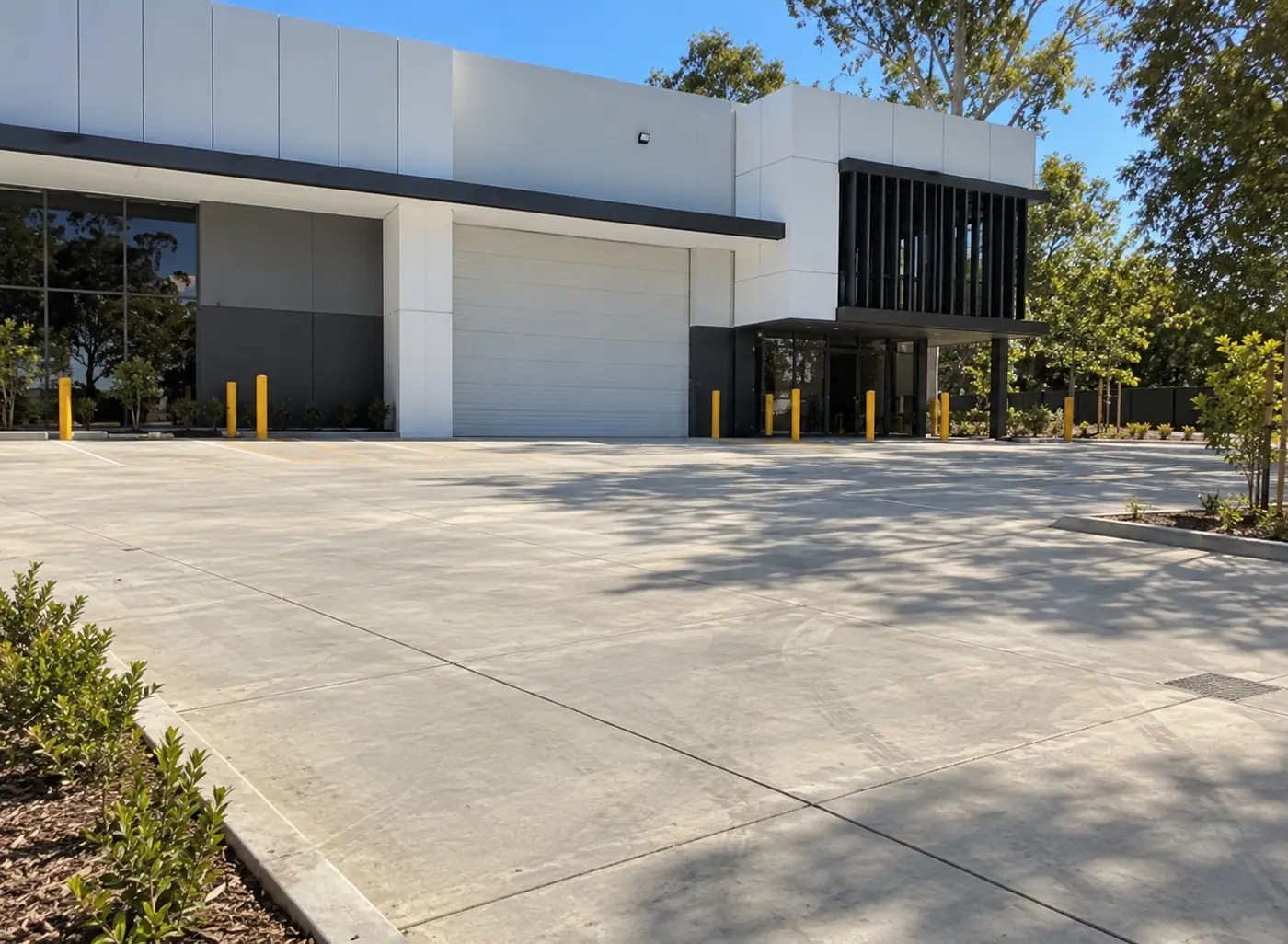
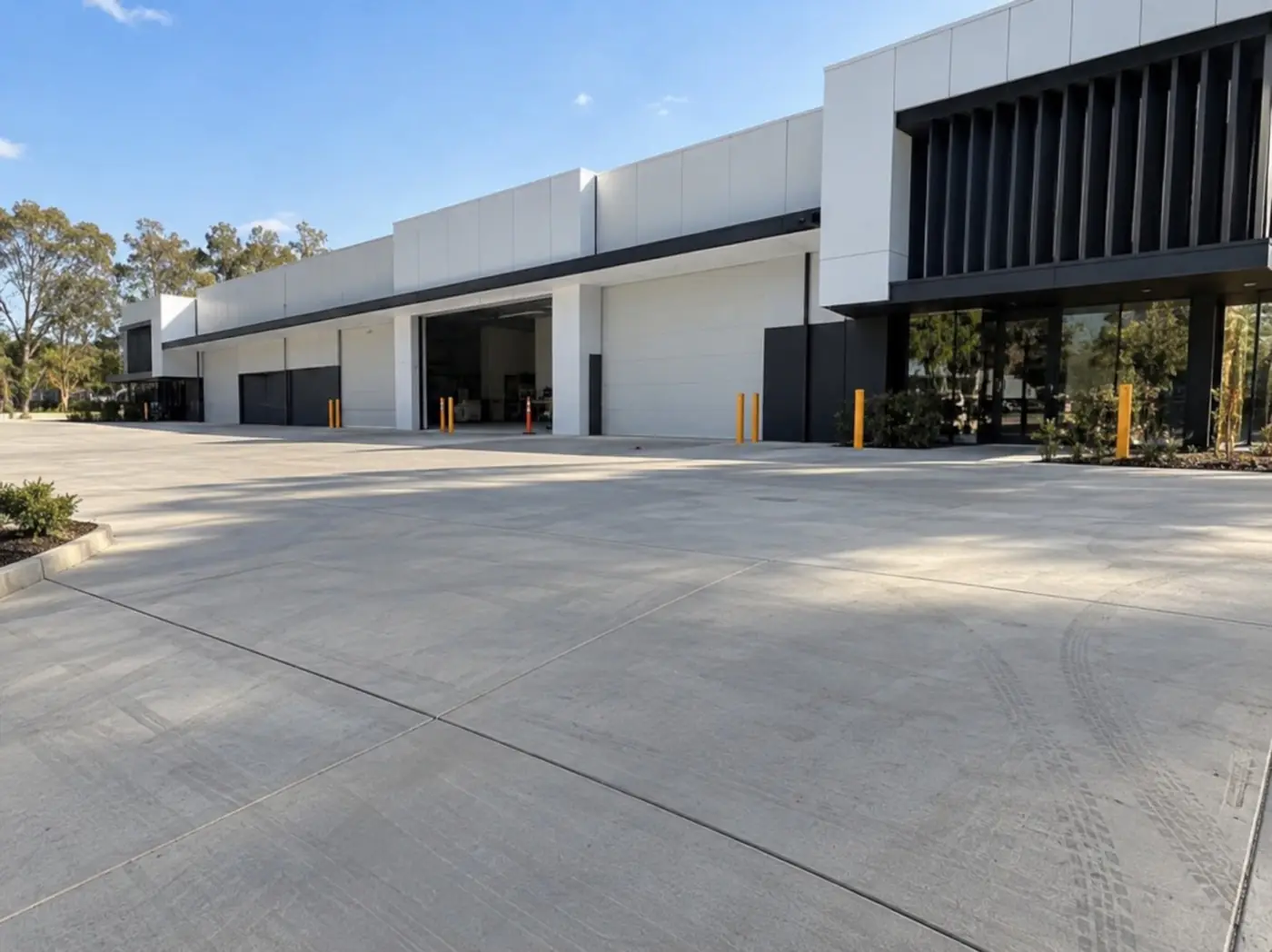
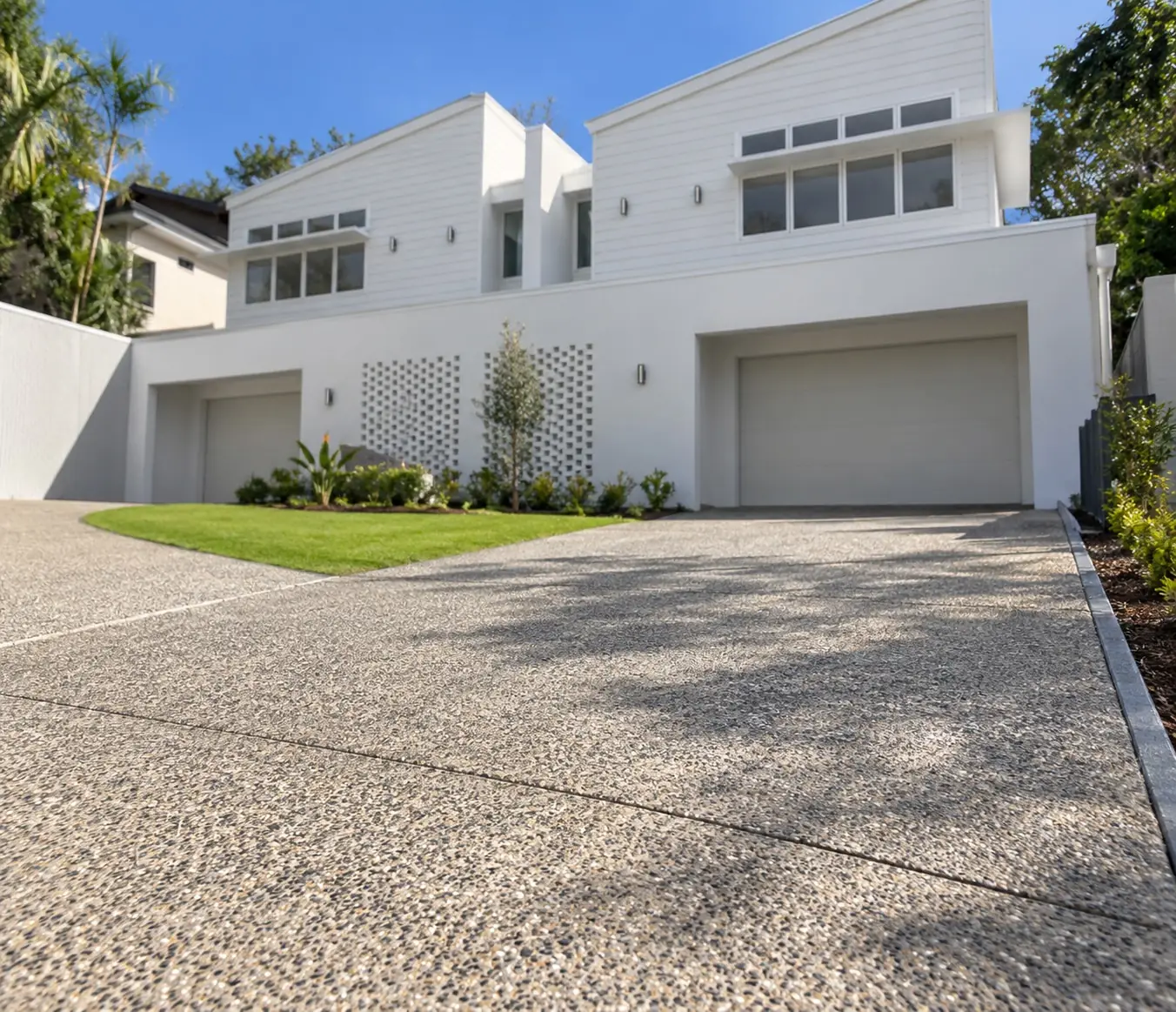
A Look at Our Wollongong Concrete Work
Coastal Retaining Wall Questions
What beachfront and cliff-top owners in the Illawarra tend to ask about retaining walls, including approvals, geotech reports and how long coastal walls last.
The basic job is the same, holding back soil, but the conditions are harsher. Salt in the air means the concrete needs to be denser with more cover to the steel, sandy soil changes how footings are designed, and some walls also face wave overtopping or coastal erosion. Drainage matters even more because coastal storms can bring a lot of rain very quickly. Your engineer sets the grade, cover and detailing to suit the exposure.
Very likely. Some low retaining walls elsewhere can be exempt development, but beachfront and cliff-top lots are often mapped as coastal hazard areas or fall within the coastal zone, where extra controls and setbacks can apply. Walls of any real height near boundaries usually need a DA or complying development certificate and engineering. Please confirm with Wollongong City Council, Shellharbour City Council or Kiama Municipal Council, or an accredited certifier, before starting.
Not quite. A seawall is designed to resist direct wave attack and is usually built along the shoreline. A coastal retaining wall is set further back and mainly holds soil, though it may still face salt spray and occasional overtopping. If your wall will be hit by waves regularly, it should be designed as a seawall or revetment by a coastal engineer instead.
For cliff-top and headland sites, and for taller walls on loose sand, a geotechnical report is often required or strongly recommended. Some parts of the Illawarra are also mapped by council as landslip or coastal hazard areas, which can trigger extra investigation. The report helps the engineer design footings and drainage properly, and we'll let you know at the site visit if we think one is needed.
A well-designed reinforced concrete wall with the right mix, proper cover and good drainage can last for decades, even near the sea. The main threats are corrosion of the steel, poor drainage and erosion of the ground in front. Keeping weep holes clear, fixing small cracks early and checking the wall after big storms all help it go the distance.
More services that pair well
Need a wall that can handle the coast?
Tell us about your property and the wall you have in mind, and we'll arrange a site visit and quote.