Marine-Grade Concrete in Wollongong
Get a Free EstimateWollongong Marine Concrete Supply and Placement
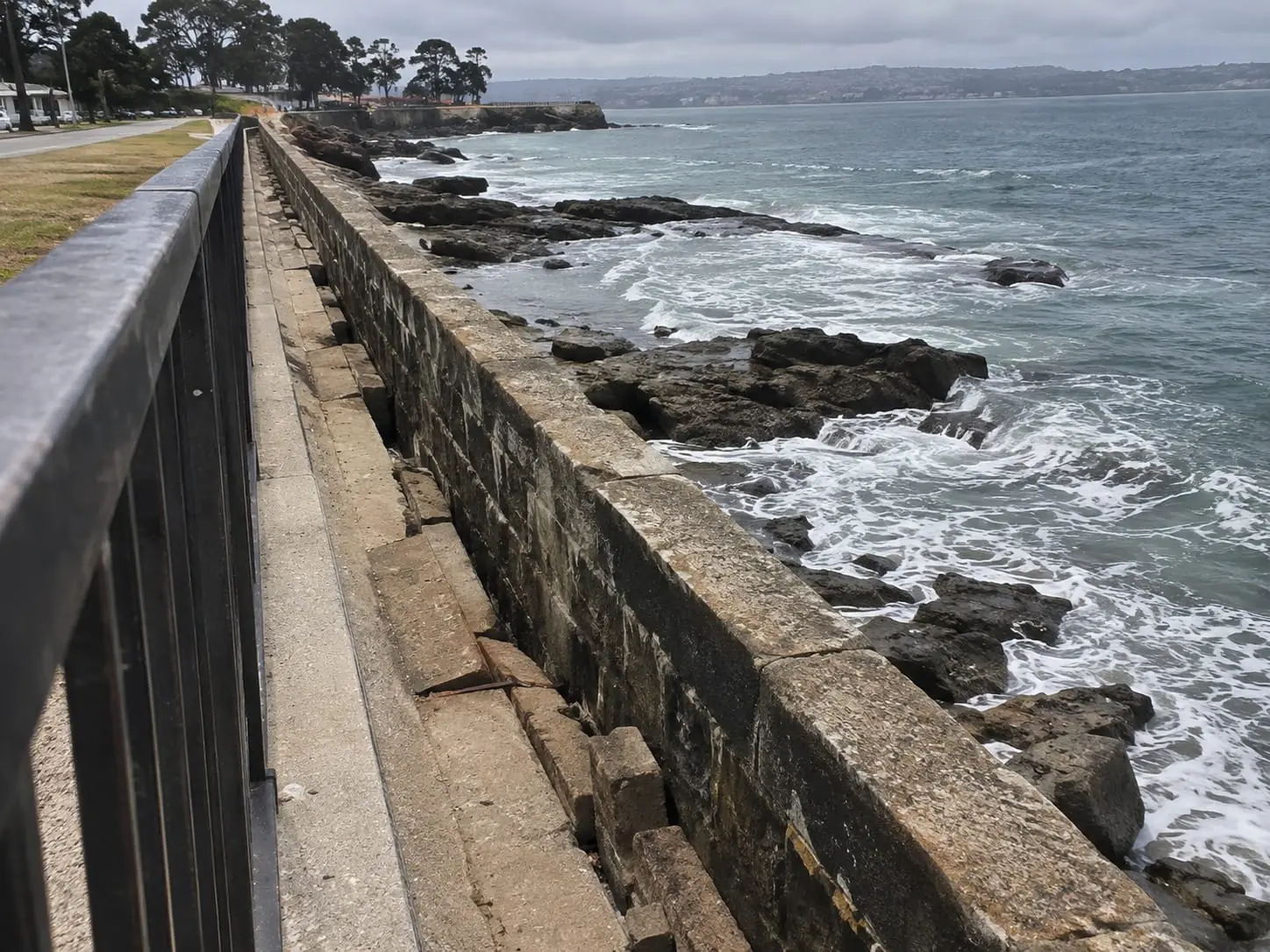
Concrete near the ocean faces a tougher life than anything poured inland. Salt spray, tidal wetting and drying, and waves washing over the surface all push chlorides toward the steel inside. That's why structures on the Illawarra coast need a denser, stronger mix and more cover over the reinforcement. We supply and place marine-grade concrete in Wollongong for jobs where durability really matters.
From seawall panels and boat ramp toes to beachfront footings and pontoon anchor blocks, we pour to the grade, cover and detailing your engineer sets. Pours are timed around tides and weather, compacted thoroughly and cured with care so the concrete reaches the density it was designed for. Tell us about your coastal project and we'll organise a site visit.
How We Deliver Marine-Grade Concrete in Wollongong
Mixes Matched to Exposure Class
Concrete in the tidal, splash or spray zone sits in a harsher exposure class under AS 3600 than a backyard slab. We order the strength grade and mix your engineer specifies for that class, and check the delivery dockets on every truck that arrives.
Low Water-Cement Ratio Placement
Dense, low-permeability concrete is the main defence against salt. Marine mixes are often stiffer to work with, so we plan the pour, pump and vibration carefully instead of adding water on site to make placing easier.
Blended Cements and Admixtures
Many marine mixes use fly ash, slag or silica fume alongside standard cement to reduce permeability, and some include corrosion-inhibiting admixtures. We source these blends from local suppliers when they are called up in the specification.
Cover to Reinforcement
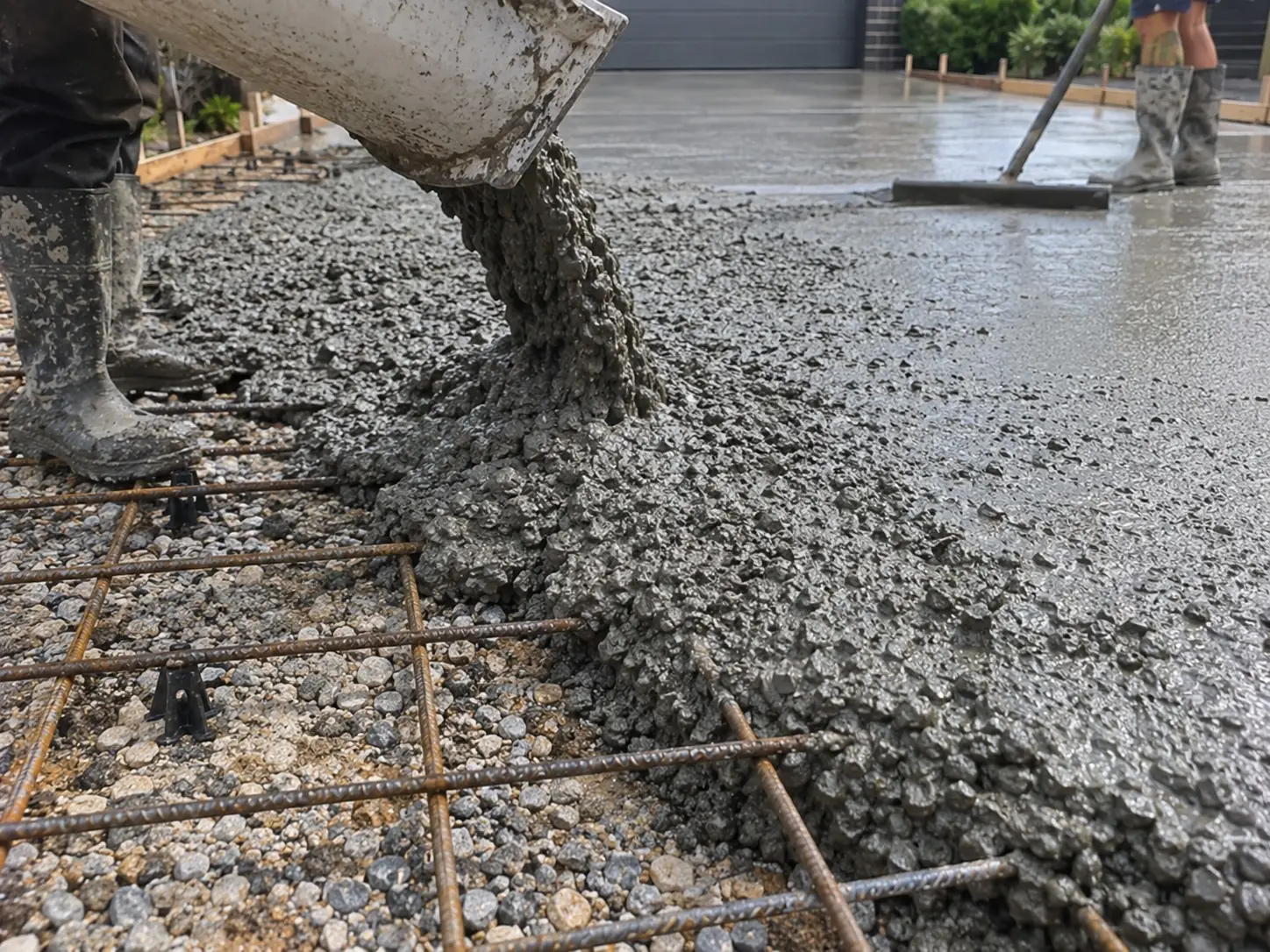
Thicker cover over the steel buys years before chlorides reach it. Bars are tied and chaired to the specified cover, which is usually greater on the coast than inland, and the steel is checked again just before the pour begins.
Galvanised, Stainless and Coated Steel
Where the design calls for galvanised, stainless or coated reinforcement, we handle and fix it with care so coatings aren't damaged, and keep dissimilar metals apart where the engineer requires it.
Curing in Coastal Conditions
Wind, sun and salt spray can dry out the surface of fresh concrete quickly. Thorough curing helps marine concrete reach its intended density, so we use wet curing, curing compounds or covers as the job requires.
Three Ways to Plan Your Marine Concrete Pour in Wollongong
Getting the mix, steel and timing right starts well before the trucks are booked. Pick whichever of these suits where your project is up to.
- Send through the specification: Mention your engineer's drawings in the form, including the exposure class, strength grade and cover, and we'll price the supply and placement to suit.
- Ask about your exposure: Not sure whether your site counts as marine? Tell us how close it is to the water and what you're building, and we'll explain what to raise with your engineer.
- Walk the site with us: We'll check access for trucks and pumps, tide windows and any environmental controls the job will need.
Marine-grade concrete is the backbone of our seawall construction and boat ramp work. For inland structural pours where salt isn't the main concern, our 32 MPa structural concrete and reinforced concrete services are often a better fit.
Why Coastal Builders Choose Us for Marine Pours
Specification First
Marine concrete is only as good as the spec it's built to. We read the drawings closely, ask questions where anything is unclear and never substitute a cheaper mix or reduce cover to save time.
Pours Timed to the Tide
For work within reach of the water, pours are booked around low tide and calm seas. Formwork and steel are ready well ahead so we can make the most of every tide window.
Compaction That Counts
Air voids and honeycombing give salt an easy path to the steel. Concrete is placed in layers and properly vibrated, with extra attention at corners, joints and congested reinforcement.
Careful Around the Water
Fresh concrete and washout water are harmful to marine life. We contain washouts, control runoff and keep the site tidy so nothing finds its way into the ocean, lake or estuary.
Comfortable Working With Engineers
Coastal structures nearly always involve a structural or coastal engineer. We book hold-point inspections, keep records of concrete deliveries and work through any changes they request.
Straightforward Pricing
Marine mixes, special steel and tide-restricted work cost more than everyday concreting. Our quotes list these items clearly so you can see where the extra goes and compare like with like.
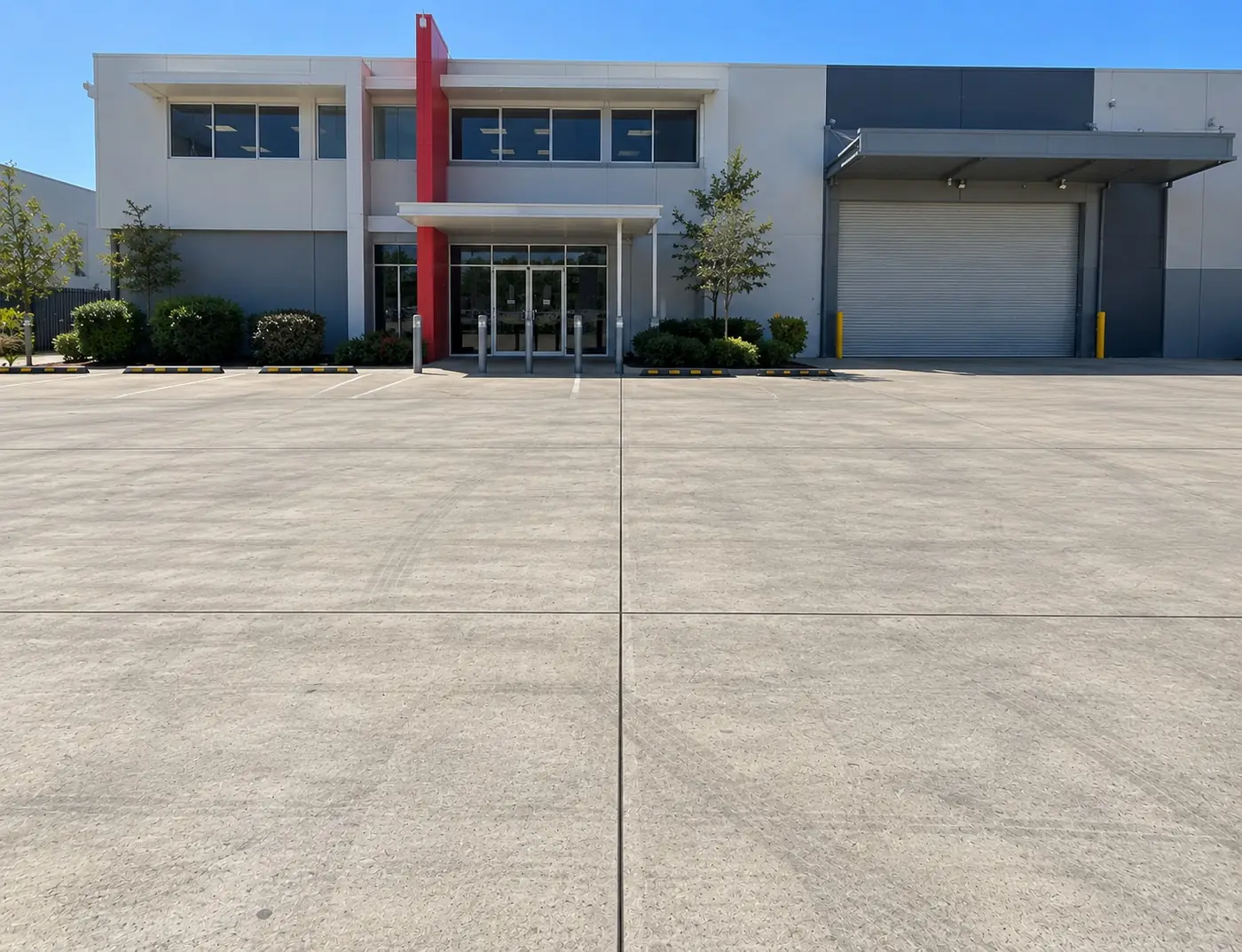
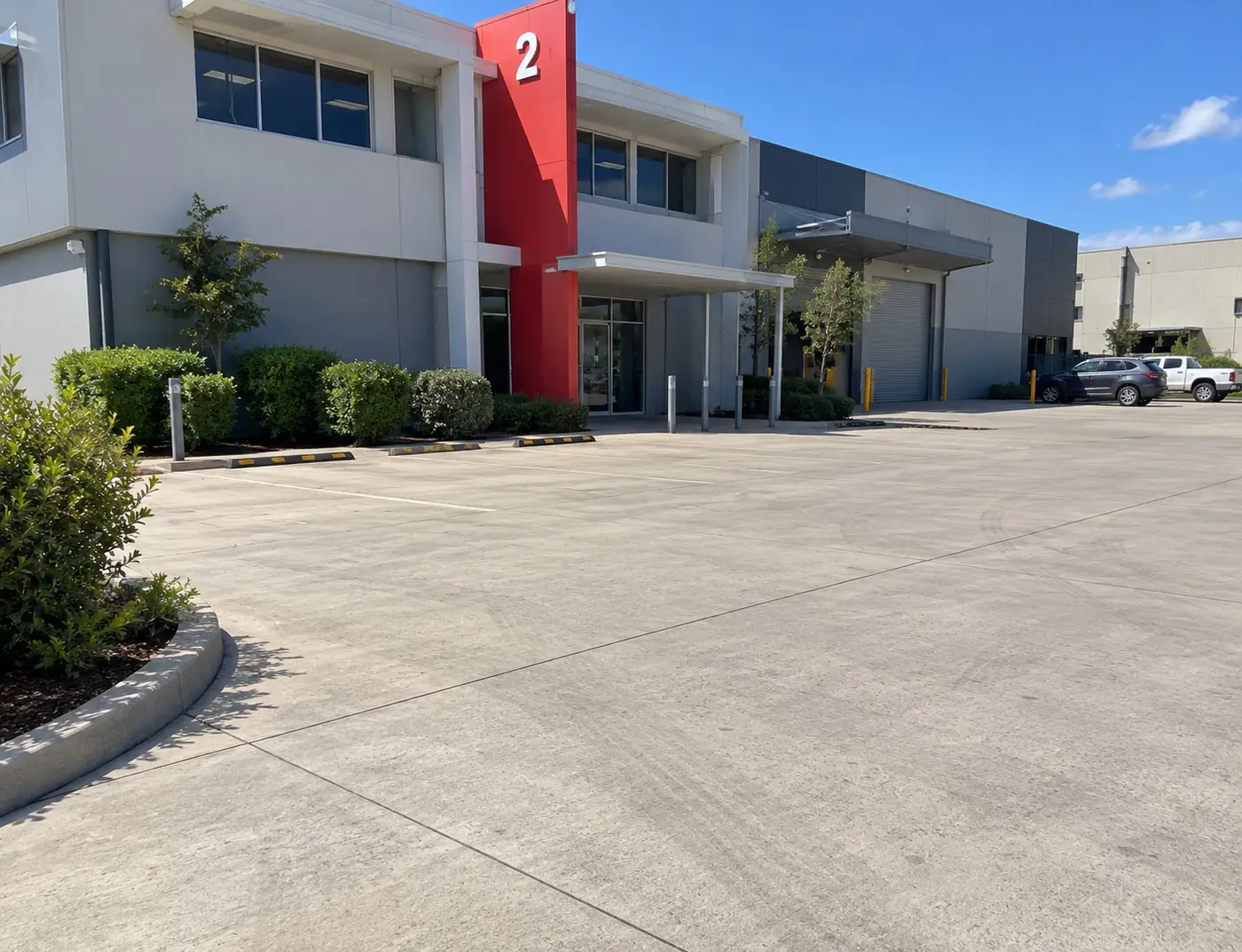
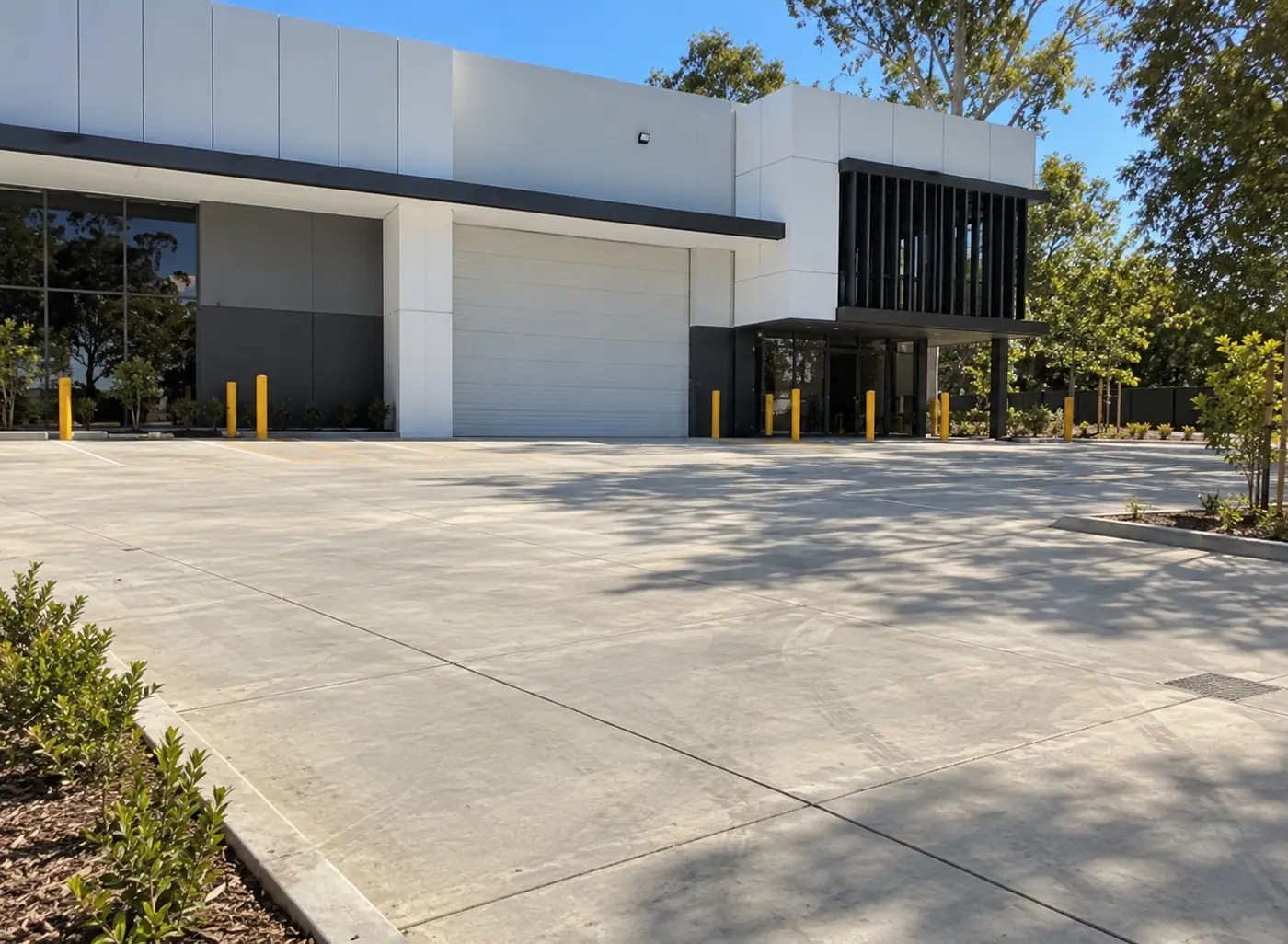
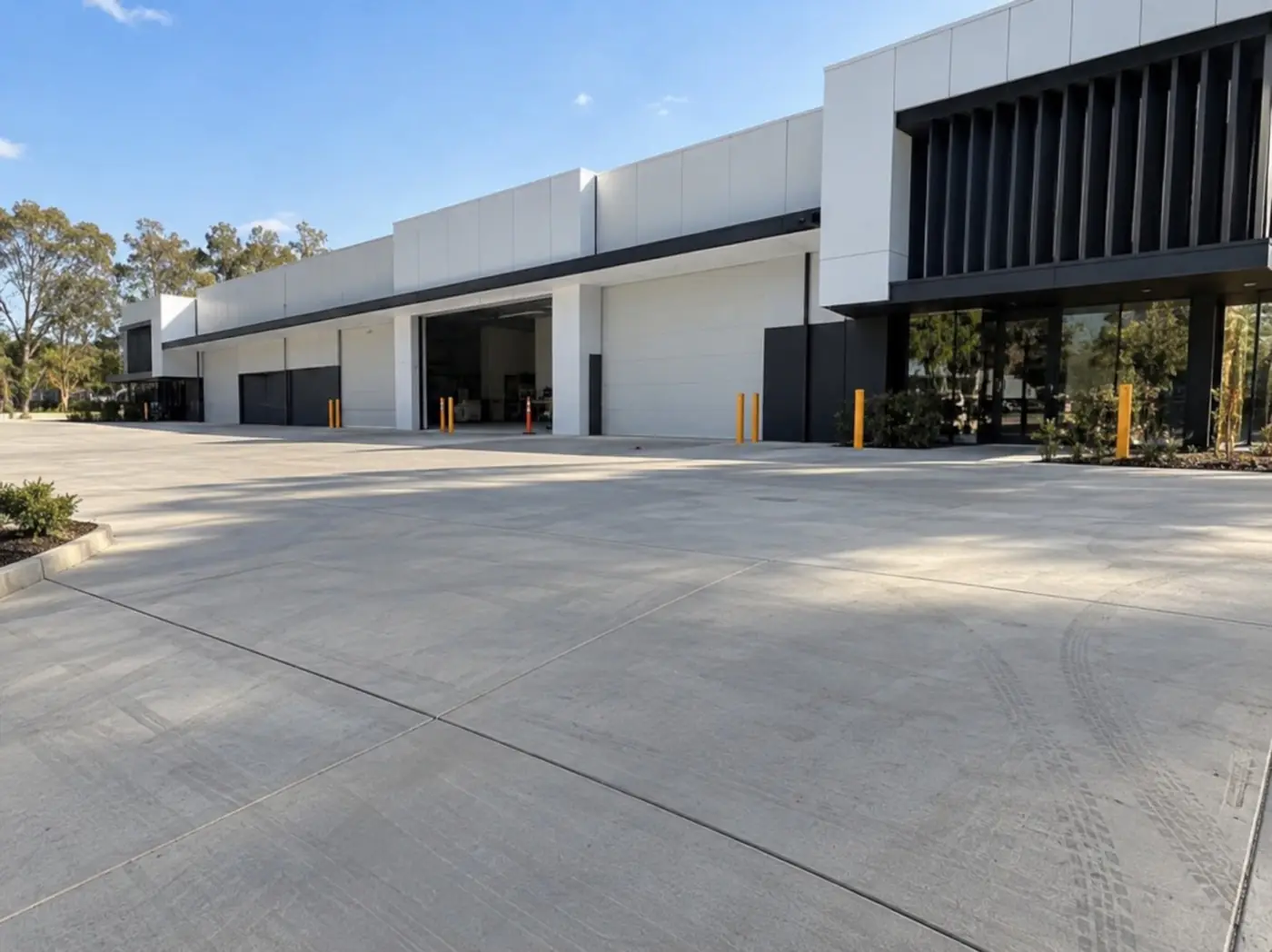
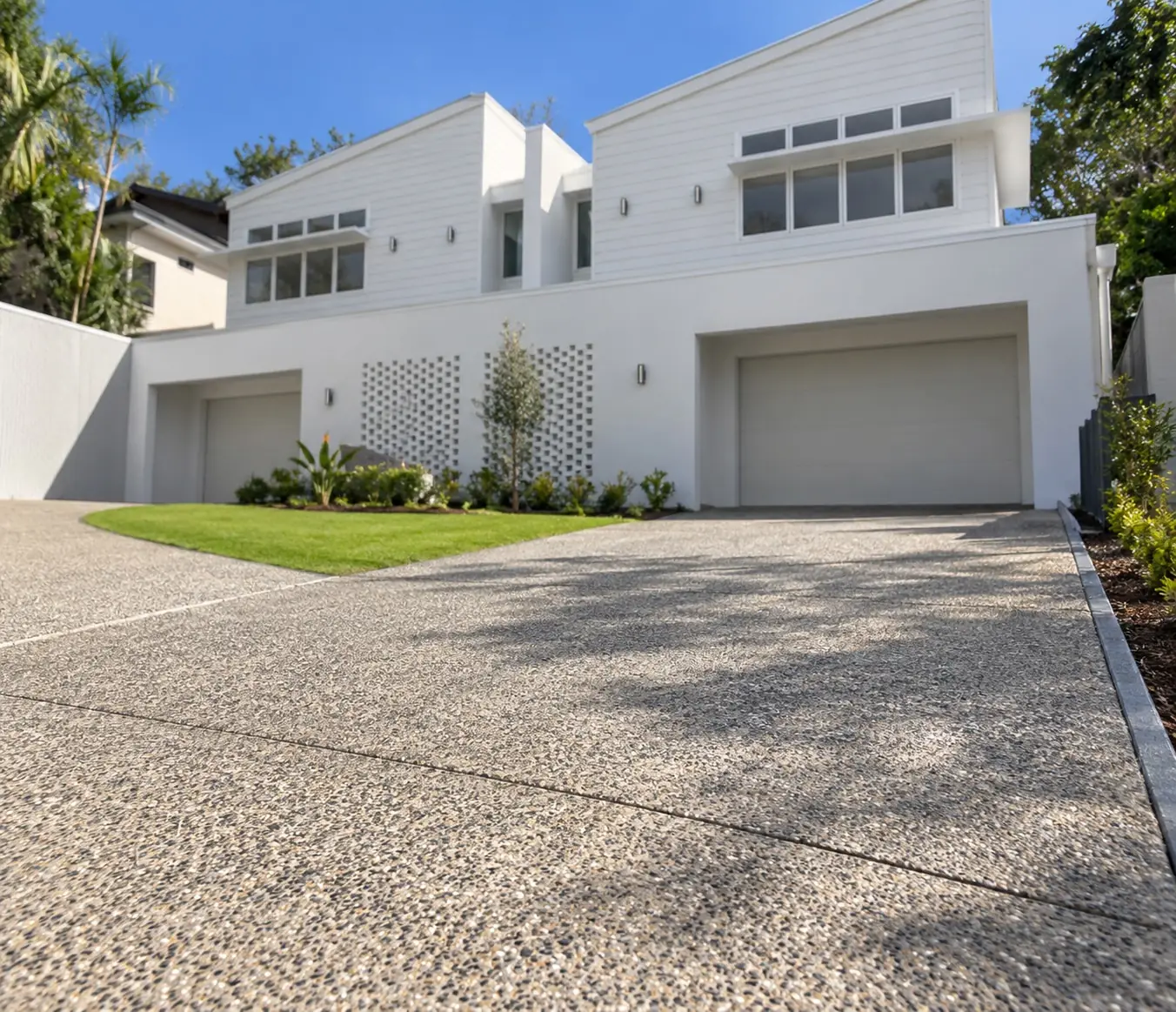
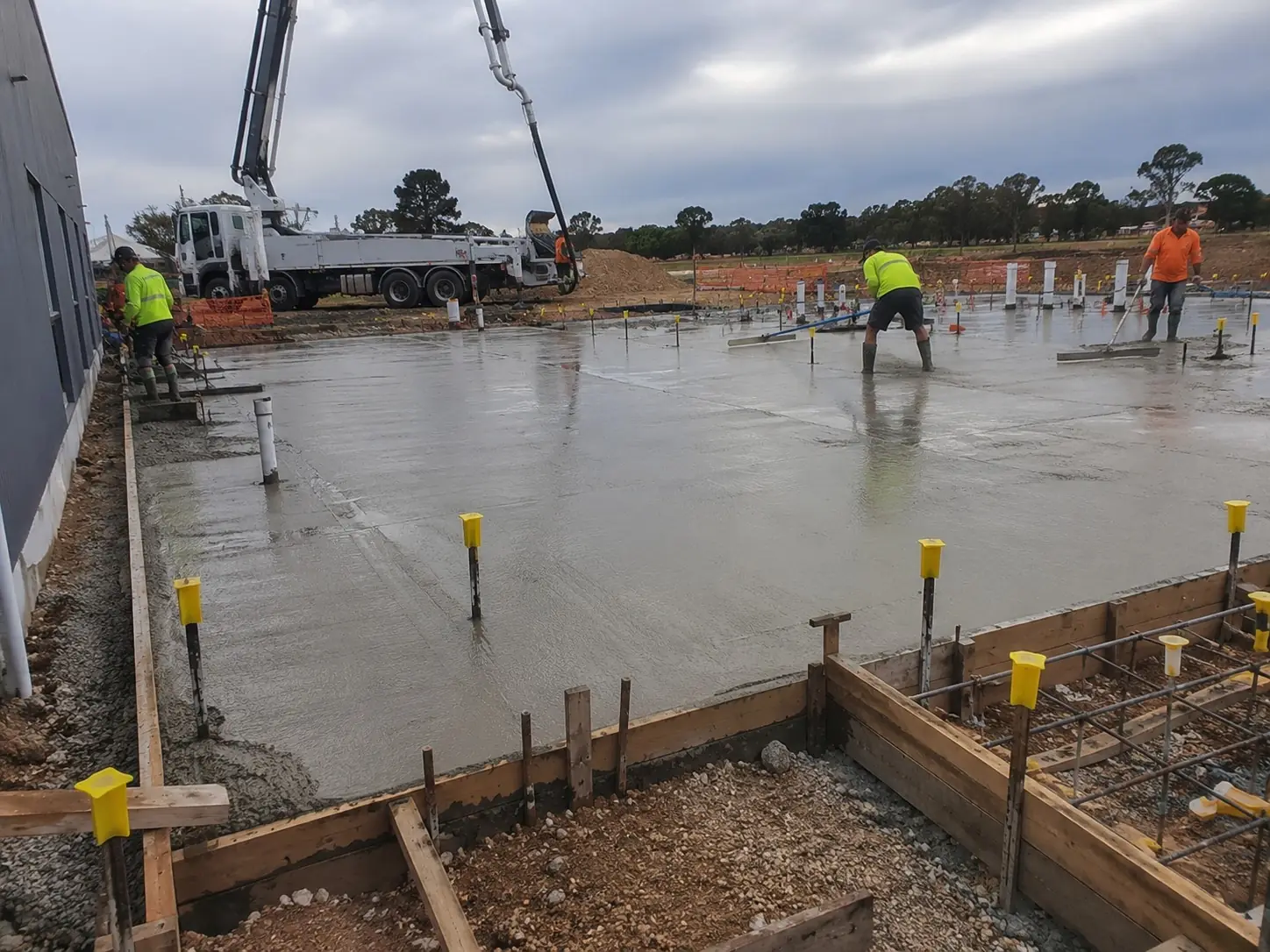
A Look at Our Wollongong Concrete Work
Marine-Grade Concrete Questions
Answers to what Illawarra builders and property owners ask about concrete for salt exposure, from mix design and cost to pouring near the water.
There isn't a single product called marine concrete. The term generally means concrete designed for salt exposure: a higher strength grade, a low water-cement ratio, often supplementary cementitious materials such as fly ash, slag or silica fume, and sometimes corrosion-inhibiting admixtures. Just as important is how it's used, with extra cover over the reinforcement, good compaction and proper curing. Your engineer sets the exact grade, cover and detailing based on the exposure classification.
Not necessarily for every element. AS 3600 classifies exposure by how close the concrete is to the coastline and whether it's in contact with seawater, so a slab a few streets back may be treated differently from a wall on the beachfront. Many coastal footings, balconies and exposed walls do need a more durable mix and greater cover than inland work. Your engineer or the builder's plans should state the requirement, and we'll pour to whatever is specified.
Usually it is, because the mixes are higher strength, may include blended cements or admixtures, and sometimes require special reinforcement. Tide-restricted access, pumping and extra curing also add time. That said, building it right once is far cheaper than repairing spalling and corroded steel a decade or two later. We'll break the costs down in your quote so the differences are clear.
It can, using techniques such as tremie placement or specially designed underwater mixes, but it's specialised work that must be engineered for the specific situation. On many coastal jobs it's simpler to work in the dry by timing pours to low tide, building temporary bunds or cofferdams, or using precast units that are lifted into place. We'll talk you through the practical options once we've seen the site and the design.
It depends on the exposure, the quality of the mix and how well it was placed, compacted and cured. Well-designed and well-built marine concrete can give a long service life, while poorly compacted concrete with thin cover can start spalling within years. Regular inspections and prompt repairs of any cracks help keep coastal structures in good condition for longer.
More services that pair well
Pouring concrete near the water?
Share the specification or tell us about the site, and we'll put together a clear quote for supply and placement.